
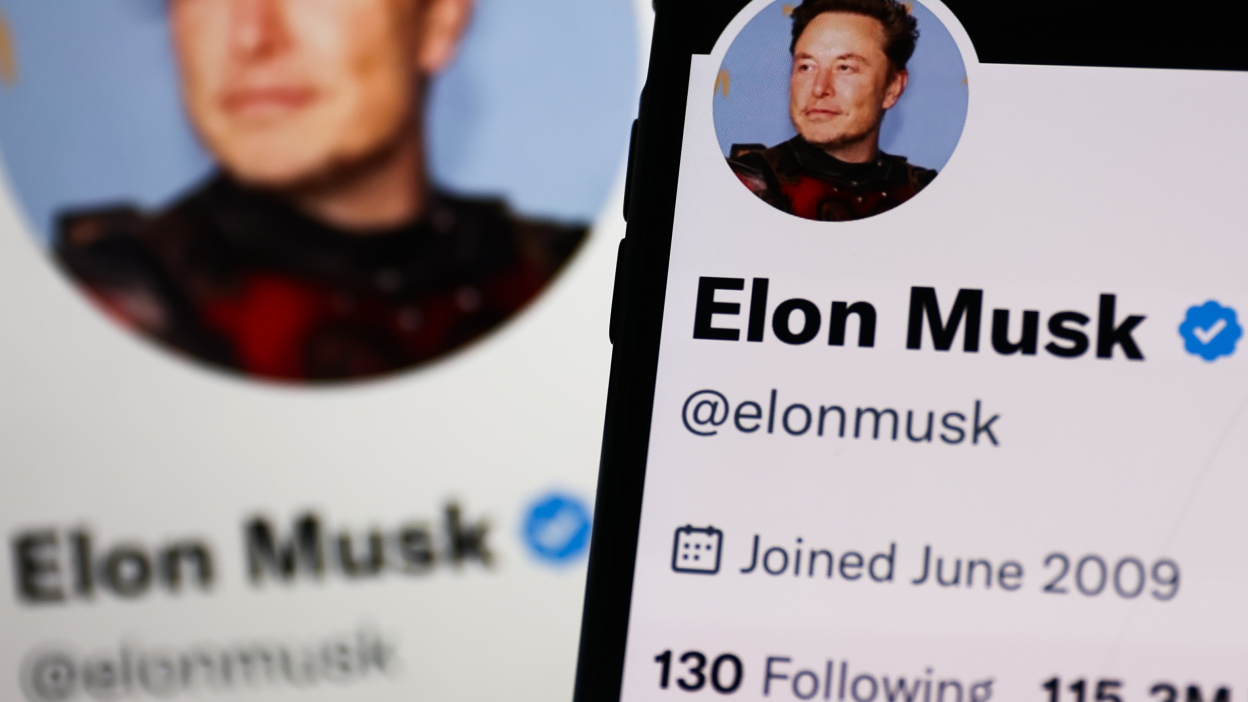
In a surprising turn of events, X Corp, formerly known as Twitter, had a sharp decline in its valuation, which dropped to $19 billion. This figure is less than half of the $44 billion that renowned tech billionaire Elon Musk paid to acquire the social networking site barely a year ago.
Internal documents acquired by The Verge show that X Corp workers were recently handed shares in the company at a lowered valuation of $19 billion, corresponding to $45 per share. This sum marks a significant 55 percent reduction from Musk’s initial acquisition price.
The documents state, “The fair market value per share is determined by the Board of Directors based on a number of factors in a manner that complies with applicable tax rules.” The equity granted to employees is in the form of “restricted stock units” (RSUs), which vest over a four-year period from their grant date and are subject to taxation upon a “liquidity event,” such as an IPO or a company sale.
Notably, this isn’t the first time X Corp has given its employees stock options. In March, the business made a similar offer, albeit at a higher valuation of $20 billion.
The sharp reduction in valuation has been ascribed to a number of issues, including a major decrease in advertising revenue and a huge debt burden. In a July statement, X Corp’s owner recognized that the platform was still losing money, underlining the need of achieving positive cash flow before addressing other issues.
Despite the difficulties, X Corp’s CEO, Linda Yaccarino, is upbeat about the company’s prospects. She stated that the company is on pace to become profitable by early 2024 and that the platform might have 200-250 million daily active users.
“We have a good set of eyes on what is predictable,” Yaccarino said at the recent Code conference, adding, “What’s coming is that it looks like in early 2024, we will be turning a profit.” She further highlighted the platform’s return of large advertisers, claiming that “90 percent of the top 100 advertisers have returned to the platform in the last 12 weeks alone,” with around 1,700 brands returning.


