
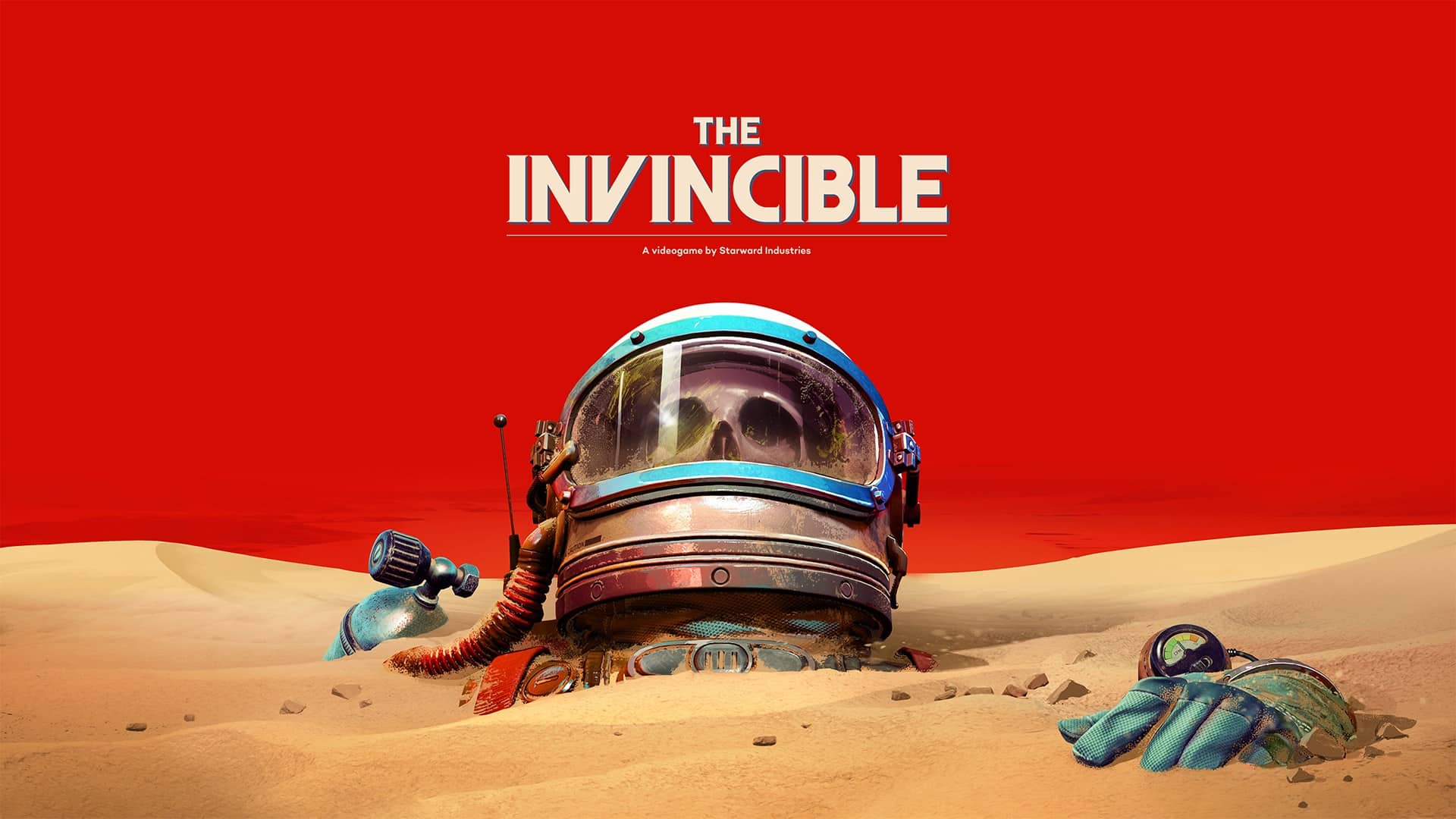
In the vast expanse of space, The Invincible invites players to explore the mysteries of existence and grapple with profound questions about identity. Adapted from a renowned Polish sci-fi novel by Stanisław Lem, this game places you in the shoes of a space traveler stumbling upon a secret that may have been better left undiscovered.
The Invincible unfolds as a walking simulator, a crucial perspective to keep in mind throughout this review. So, how does the game fare in terms of storytelling? Is it a recommendation or a miss? Let’s delve into the details.
Powered by Unreal Engine 5, The Invincible boasts stunning graphical detail, especially with an RTX 4070. Surprisingly smooth at 144 FPS without slowdowns or screen tears, the game’s native performance is commendable. Enabling DLSS further enhances the experience, pushing the frame rate to a consistent 190 FPS—a rarity in today’s gaming landscape.
Yet, amidst the visual splendor, there are moments where the environment design becomes a bit overwhelming. The similarity of locations can lead to disorientation, necessitating frequent map checks to ensure forward progress. Despite this hiccup, the sound design excels in immersing players during isolated moments, effectively conveying the intense solitude of navigating a vast, deserted planet.
Retro-Futuristic Aesthetics and Solitude
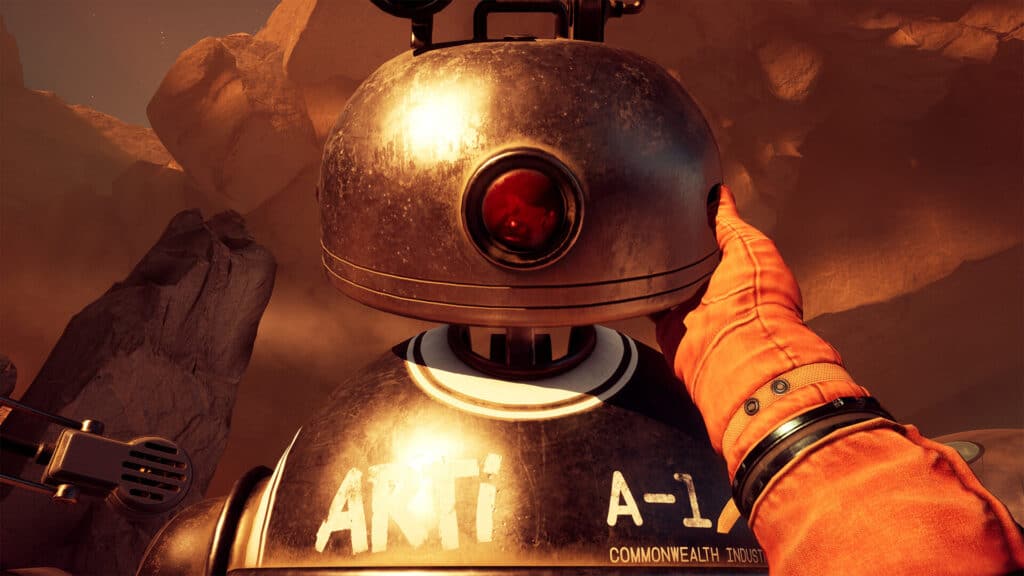
The Invincible excels in delivering a feeling of solitude, aligning with its retro-futuristic visual design reminiscent of Bioshock. This aesthetic, coupled with well-crafted soundscapes, enhances the overall experience, making it a standout feature of the game.
The protagonist, Yasna, an astrobiologist, finds herself on the mysterious planet Regis III without recollection of her journey. The mission evolves into a perilous quest as she unravels the secrets surrounding her crew and the planet.
Given its walking simulator nature, gameplay takes a backseat, but not without variety. Dialogues with NPCs impact the story, encouraging multiple playthroughs for diverse outcomes. Vehicle segments, involving Rovers and Flying Saucers, add gameplay diversity without compromising narrative pacing.
The narrative emerges as The Invincible’s strongest suit, featuring twists and turns that keep players guessing. Despite occasional slow moments, the unfolding secrets behind Yasna’s crew predicament maintain suspense and engagement.
However, the game has its share of drawbacks. Unclear directions can leave players wandering aimlessly, and some areas feel unnecessarily padded with little activity. These issues, coupled with samey environment design, contribute to unintentional backtracking and time-wasting.
On the positive side, The Invincible offers substantial replayability with multiple endings and branching pathways. This feature, coupled with distinct outcomes, justifies the game’s price. Despite occasional dreariness, the highlights of The Invincible make it a worthwhile cosmic journey.


