
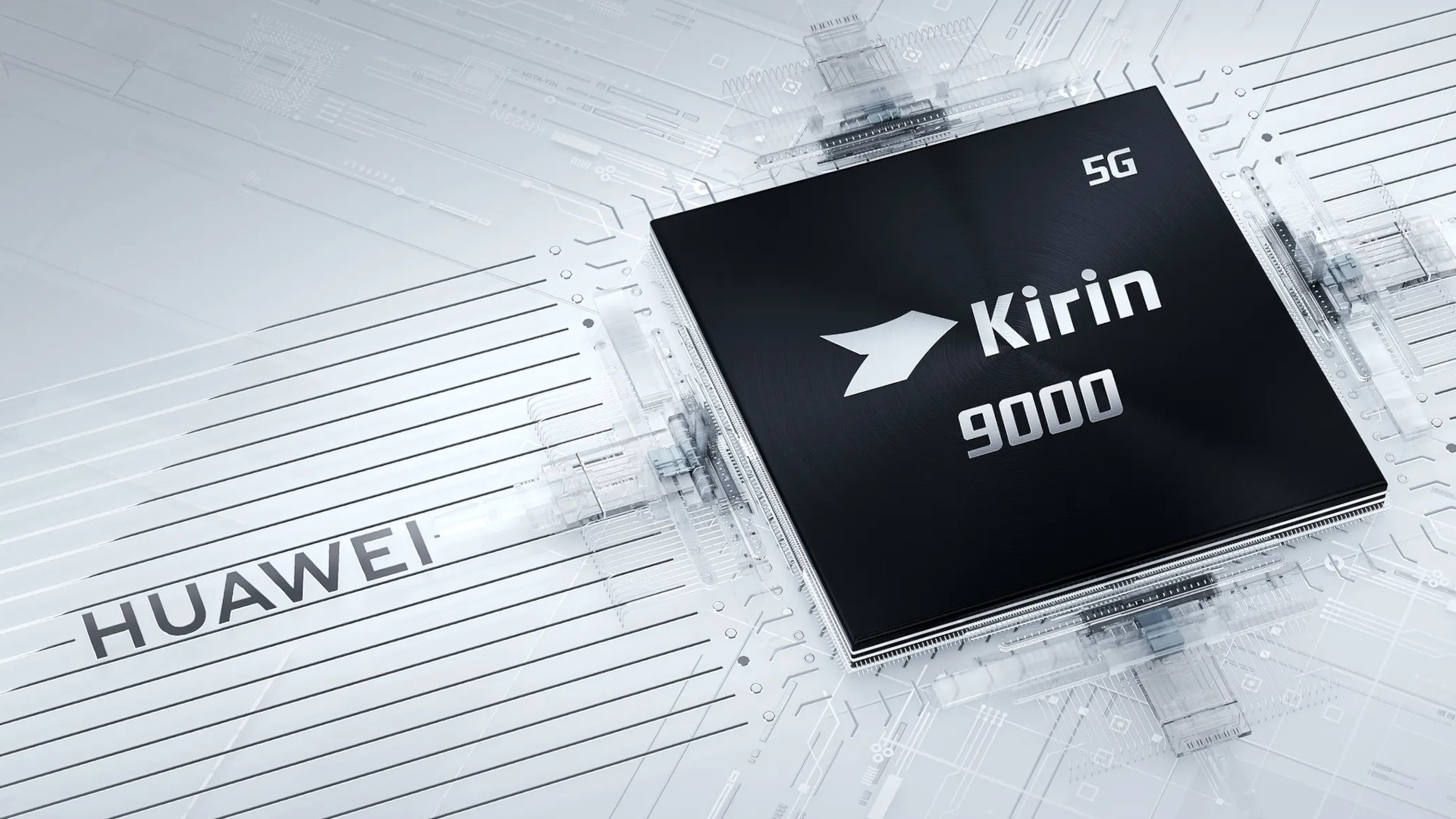
Huawei is set to launch its second flagship series of the year, the Mate 70, in the fourth quarter of 2024. This release is highly anticipated following the company’s surprising success with last year’s Mate 60 series, which featured the first homegrown 5G-capable Kirin chip in three years. This move, made possible by Huawei’s partnership with China’s largest foundry, SMIC (Semiconductor Manufacturing International Corporation), marked a significant milestone, but it also stirred significant controversy, especially in Washington D.C.
U.S. Sanctions and Huawei’s Tech Comeback
Huawei’s comeback with its Kirin 9000s chip in 2023 blindsided many. The U.S. Commerce Department had previously imposed stringent export rules to prevent foundries using American technology from supplying Huawei with 5G-capable chips. This led to previous flagship series like the P50, Mate 50, and P60 using 4G-only Snapdragon chips, modified to exclude 5G support.
However, the Kirin 9000s chip found in the Mate 60 was manufactured using a 7nm process by SMIC, despite the foundry’s inability to access cutting-edge extreme ultraviolet (EUV) lithography machines due to international sanctions. SMIC employed deep ultraviolet (DUV) lithography, a less advanced technology, to produce the chips. This technological workaround was a major achievement for Huawei, as it allowed the company to re-enter the 5G smartphone market.
Mate 70 and the 5nm Breakthrough
The Mate 70 series, which is set to launch later this year, may take things a step further. Rumors suggest that the new flagship could be powered by a 5nm Kirin chip, the Kirin 9100, also produced by SMIC using DUV lithography. If true, this would mark a significant technological leap for Huawei and SMIC, potentially infuriating U.S. lawmakers who have been trying to block Huawei’s access to advanced semiconductor technology.
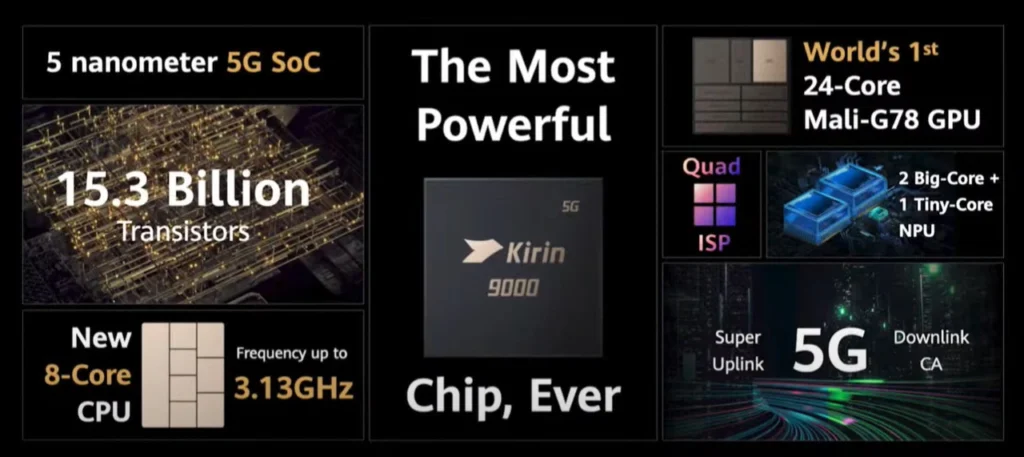
While the 5nm process used by SMIC would still lag behind the 3nm chips powering flagship phones from Apple, Samsung, and other competitors, it represents a massive leap for Huawei, which has been crippled by U.S. sanctions for years. According to reports, the Kirin 9100 has even outperformed the two-year-old Snapdragon 8 Gen 2 in benchmark tests, a significant milestone given the constraints Huawei has faced.
Potential U.S. Reaction
The U.S. government has long viewed Huawei as a national security threat due to its alleged ties with the Chinese government. This led to Huawei being placed on the U.S. Entity List, effectively cutting off its access to American technology and suppliers. The idea of Huawei not only surviving but thriving under these sanctions is likely to cause concern in Washington.
Huawei’s success with the Mate 60 series and the potential 5nm Kirin chip in the Mate 70 may lead to calls for even stricter measures against the company. The fact that Huawei has found ways to circumvent U.S. sanctions with the help of SMIC could be viewed as a challenge to U.S. technological supremacy.
The Future of Huawei’s Chip Strategy
The big question surrounding the Mate 70 series is whether SMIC can consistently produce 5nm chips with a high enough yield to make them commercially viable. Producing advanced chips at scale is a monumental task, even for experienced foundries, and SMIC is relatively new to this level of chip manufacturing. Additionally, the Kirin 9100 is expected to cost Huawei between $157 and $186 per chip, putting it in the same price range as more advanced chips like MediaTek’s Dimensity 9400 and Qualcomm’s Snapdragon 8 Gen 4, both built on 3nm nodes.
While Huawei’s new chip may not yet compete directly with the latest 3nm processors from competitors, it signals a return to the cutting-edge innovation that once made Huawei a global smartphone leader. The company’s ability to make progress in the face of U.S. sanctions demonstrates its resilience and the growing sophistication of China’s semiconductor industry.
Conclusion
Huawei’s Mate 70 series and its potential 5nm Kirin chip represent a significant step forward for the company and a challenge for U.S. lawmakers. As SMIC continues to advance its chip production capabilities, the geopolitical ramifications of Huawei’s resurgence will likely be felt far beyond the smartphone market. If Huawei succeeds in bringing the Mate 70 to market with a 5nm chip, it could set the stage for an even bigger confrontation between the U.S. and China over technology and national security.
Source: Phonearena


